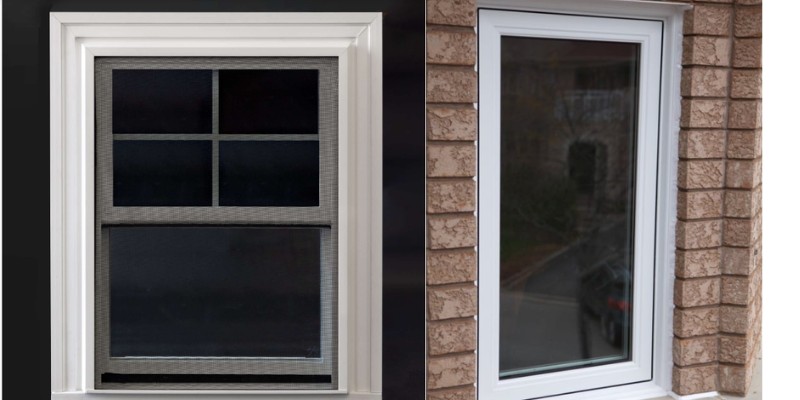
Brickmould is a construction feature in home design, serving as a bridge between windows or doors and the exterior siding. This trim comes in various materials, each offering unique benefits for homeowners and builders.
Wood has long been the traditional choice for brickmould. Pine and oak remain popular options due to their natural weather resistance and aesthetic appeal.
However, modern brickmould materials include vinyl, PVC, aluminum and composite options, providing increased durability and lower maintenance requirements.
Selecting the right brickmould material can significantly impact a home’s appearance and longevity. Factors such as climate, architectural style, and personal preference play key roles in this decision.
Understanding the characteristics of different brickmould materials helps homeowners make informed choices for their exterior trim needs, or whether they should use brickmould or not on their window frames.
Types of Brickmould Materials
Brickmould comes in several material options, each with distinct characteristics suited for different applications. Let’s discuss the most popular brickmould material below:
Wood Brickmould
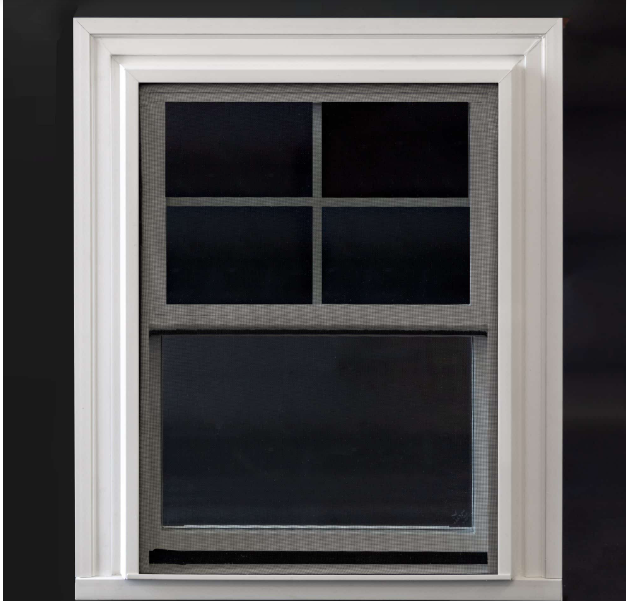
Wood brickmould offers a classic, traditional look. It’s typically made from pine or oak for natural weather resistance. Wood can be easily painted or stained to match any exterior color scheme.
This material is highly customizable and can be shaped to fit unique architectural designs. It provides good insulation properties. Wood requires regular maintenance however, including painting and sealing, to prevent rot and insect damage.
The cost of wood brickmould varies depending on the type of wood used. It’s generally more expensive than synthetic options but less costly than metal.
Vinyl Brickmould
Vinyl brickmould is a popular choice for its low maintenance and affordability. It resists moisture, rot, and insect damage. This material comes in various colors and doesn’t require painting.
Vinyl is lightweight and easy to install. It’s less prone to warping or cracking compared to wood. The color is consistent throughout, so scratches are less noticeable.
One drawback is that vinyl can fade over time when exposed to intense sunlight. It may not be suitable for extreme temperature fluctuations, as it can expand and contract.
Composite Brickmould
Composite brickmould combines wood fibers and plastic resins. This material offers the look of wood with enhanced durability and lower maintenance requirements.
It resists rot, decay, and insect infestation better than wood. Composite brickmould can be painted or stained. It’s more stable than wood, with less tendency to warp or split.
This option is often more expensive than vinyl or wood. However, its longevity and low maintenance needs can offset the initial cost over time. Composite brickmould is environmentally friendly, often made from recycled materials.
Metal Brickmould (Aluminum)
Metal brickmould, typically aluminum, offers exceptional durability and weather resistance. It’s ideal for areas with harsh climates or high moisture exposure.

This material doesn’t rot, warp, or attract insects. Metal brickmould can be powder-coated in various colors for a long-lasting finish. It requires minimal maintenance beyond occasional cleaning.
The main drawbacks are higher cost and potential for denting. Metal brickmould may not provide the same insulation properties as wood or composite options.
PVC Brickmould
PVC (Polyvinyl Chloride) brickmould is similar to vinyl but often more durable. It’s completely waterproof and resistant to rot, insects, and UV damage.

This material is low-maintenance and doesn’t require painting. PVC brickmould comes in various colors and can mimic the look of painted wood. It’s lightweight and easy to install.
PVC is more rigid than vinyl, providing better structural integrity. However, it may be more expensive than standard vinyl options. In extreme heat, PVC can potentially soften or warp.
Comparison of Materials
Brickmould materials vary significantly in their characteristics. Each option offers distinct advantages and drawbacks in durability, cost, maintenance requirements, and aesthetic appeal.
Durability
Wood brickmould provides a classic look but requires regular upkeep. It can warp, rot, or attract pests if not properly maintained. Treated wood offers better resistance to these issues.
PVC brickmould excels in moisture resistance. It won’t rot, warp, or attract insects. This material maintains its shape and appearance over time, even in harsh weather conditions.
Composite materials offer improved durability compared to wood, resisting moisture damage and insect infestation. Composites can withstand temperature fluctuations without significant expansion or contraction.
Aluminum brickmould is highly durable and resistant to corrosion. It doesn’t rust and can withstand extreme weather conditions. This material is ideal for coastal areas or regions with harsh climates.
Cost
Wood brickmould is often the most affordable option upfront. Pine and other softwoods are particularly budget-friendly. However, long-term costs may increase due to maintenance needs.
PVC brickmould has a higher initial cost than wood. The price varies depending on quality and brand. Despite the higher upfront investment, PVC can be cost-effective long-term due to its low maintenance requirements.
Composite materials typically fall between wood and PVC in terms of price. They offer a balance of affordability and durability, potentially saving money over time compared to wood.
Aluminum brickmould is generally the most expensive option. Its high cost is often justified by its exceptional durability and low maintenance needs.
Maintenance
Wood brickmould requires regular painting or staining to maintain its appearance and protect against moisture. It may need periodic repairs or replacement of damaged sections.
PVC brickmould is virtually maintenance-free. It resists fading and doesn’t require painting. Occasional cleaning with soap and water is usually sufficient to keep it looking new.
Composite materials need minimal maintenance. They don’t require painting or staining. Periodic cleaning is typically all that’s needed to maintain their appearance.
Aluminum brickmould is also low-maintenance. It doesn’t rust or corrode and retains its color well. Occasional cleaning is sufficient to keep it in good condition.
Aesthetic Appeal
Wood brickmould offers a traditional, warm appearance. It can be painted or stained to match any color scheme. Wood provides a natural look that many homeowners prefer.
PVC brickmould comes in various colors and textures. Some high-end options can mimic the appearance of wood. However, it may lack the authentic charm of natural materials.
Composite materials can closely resemble wood while offering improved durability. They come in a range of colors and textures, providing versatility in design options.
Aluminum brickmould has a sleek, modern appearance. It’s available in various colors and finishes, allowing for customization to match different architectural styles.
Always consider your local climate, desired aesthetic, and maintenance willingness when choosing the right brickmould material for your home.
Related Posts
- Benefits of Installing Outdoor Blinds in Your Home
- 11 Black Front Door Ideas – Elegant Exterior Doors (Concept Designs)
- 15 Main Pros and Cons of PVC Decking – Comparison and Discussion
- 12 Different Types of Wood for Outdoor Furniture with Pros/Cons
- 11 Different Types of Natural Stone for House Exterior
- Advantages and Disadvantages of Composite Decking for Homes

Really informative breakdown! Brickmould is one of those details people don’t think about until they’re deep into a project, and the material you choose can really affect durability, maintenance, and the overall finish. PVC and composite options seem to be getting more popular, especially for homes in harsher climates.
When I’m exploring different material choices for doors, trims, or frames, I sometimes check sites like plywoodbazar
just to compare what kinds of boards or surface materials are available for coordinating interior finishes. It’s surprising how much these small elements impact the final look.
Curious—what material do most of you prefer for long-term durability?