After a hectic day at work, all you can think about is heading back home, falling on the lounge’s sofa, and never getting up again. If a sofa cushion doesn’t elicit an “ahh” sound from you, then it isn’t a cushion.
You might have never thought about this but your lifestyle plays a huge role in helping you choose your sofa set’s cushions.
There are different types of sofa cushions that are specifically designed for an individual’s lumbar support. Some might feel comfortable sitting on foam cushions, while others like the feel of feathers.
When you are furniture shopping, two features of a sofa set that grab your attention are its style and color.
What you are forgetting here is the cushion filling because it is equally important and determines how long your sofa will last.
The most common sofa cushion fillings are feathers, foam, polyester, hollow-fill fiber and batting as we will discuss below (plus some more options). Sometimes, the filling is a combination of the above, which gives more life to the sofa.
Don’t just plop down money for the first sofa you see. Explore the furniture market and take a few weeks to make the decision.
Rushed decisions will leave you with a sofa that will have lumpy cushions, sagging seats, and shredded upholstery in just 2 or 3 months.
Types of Cushion Fillings and Materials
There are many types of fillings and materials that can be used for sofa cushions. Some make the sofas soft and comfy; the type you can just sink into, while other materials give sofas that firm and supportive structure. Each material is used differently and used for less traffic or more traffic areas accordingly.
1. Foam
The most wanted sofa cushion filling is foam, and this material is available in a number of densities.
- Low-density foam cushion has a softness to it that tends to flatten faster, unless it is of a high quality.
- As for high-density foam filling, people find it a little hard, but it does get softer with time and weight.
- Then, there’s the memory foam that conforms to the body and provides great support. It is perfect for people with joint and muscle pain.
- Lastly, high-resilient density (HR) foam is resistant to sagging and wearing. It can last for up to 14 years and more.
Within this category, you have a number of different options; molded foam, all-foam, spring down or blend down. These foams all range from high density to low and memory foam. Each of the uses can differ, depending on what kind of support and softness is required.
Let’s talk about a few other types of foam fillings:
2. Molded Foam
Molded foam cushions are quite firm. You don’t need to keep up with any kind of maintenance. The inner foam is encased in various materials, which include duck and Dacron feather.
The foam usually starts out firm and then softens with use. The reason why moulded foam has different casings is that it adds an additional level of durability and softness.
3. All-Foam
An all-foam cushion provides a firm seat and only a few wrinkles in the cushion’s fabric. This cushion has a layer of high-density foam, which is covered in a soft convoluted layer of “egg crate” foam.
Then comes the polyester fiber wrap. All these layers are enveloped in cotton down-proof ticking. This fabric prevents the feathers from poking out.
4. Spring Down
After all-foam, spring down is second line when it comes to soft foam cushions. It has a coiled spring core in a foam box, which is wrapped in a thick fiber polyester layer.
All these layers are fitted inside a down-proof cover, which is filled with polyester fiber and down. The coiled springs offer a resilient feel and the down adds softness.
5. Blendown or Down Plush
Blendown is among the softest and most luxurious foam cushions. It has a thin foam core, which is wrapped in a layer of thick polyester fiber.
These two layers are wrapped in a thicker layer, which is a blend of polyester-fiber and down. Due to the thick layer of down and thin foam core, the cushion feels like a pillow. Since the cushion is so soft, it changes shape easily and requires regular fluffing.
6. Hollow-Fill Fiber
These types of sofa cushions are squashy and soft, which makes them perfect for an afternoon nap. They have no actual support, but are perfect for sofas that are used for napping or lying down on for short periods of time.
In fact, the cushions are so soft that when you will get up, you will see your imprint on it. We recommend to rotate them regularly because they tend to soften thus by rotating them you will have even wear on both sites.
Here are some key points about Hollow-Fill Fiber cushions:
1. Composition: These cushions are made from synthetic polyester fibers that have a hollow core, hence the name “hollow-fill.”
2. Structure: The fibers are engineered to be lightweight and resilient, with a tubular structure that allows air to circulate within the cushion.
3. Comfort: Hollow-Fill Fiber cushions provide a soft, plush feel while still offering adequate support.
4. Durability: They are designed to maintain their shape and loft over time, resisting flattening and compression better than some traditional fillings.
5. Hypoallergenic: The synthetic nature of the fibers makes them resistant to dust mites, mold, and mildew, making them a good choice for allergy sufferers.
6. Easy maintenance: These cushions are generally easy to care for and can often be machine washed or spot-cleaned.
7. Breathability: The hollow structure of the fibers allows for better air circulation, which can help regulate temperature and moisture.
8. Cost-effective: Hollow-Fill Fiber cushions are usually less expensive than down or memory foam alternatives.
While Hollow-Fill Fiber cushions offer many benefits, they may not provide the same level of support or longevity as high-density foam or down cushions. However, they remain a popular choice for their combination of comfort, affordability, and easy maintenance.
7. Feather
The best thing about feather cushions is that they are made to order. You can increase or decrease the number of feathers for a firm or soft seating. The more the feathers in the cushion, the more you will have to plumb them or they will clump together.
Feathers are a popular filling material for high-end and luxury furniture. Here are some key points about feather-filled sofa cushions:
1. Composition: Feather cushions are typically filled with a combination of feathers and down (the soft, fluffy undercoat of waterfowl). The ratio of feathers to down varies, with higher down content indicating a softer, more luxurious feel. A common mix is 75% feathers and 25% down.
2. Comfort: Feather cushions are known for their softness, loft, and “sink-in” comfort. They conform to the body, providing a plush, cozy feel. The feathers make the sofa cushions more resilient and better able to bounce back into shape after being sat on.
3. Adjustability: Feather cushions allow for easy fluffing and reshaping, enabling users to customize their comfort level and maintain the cushion’s loft.
4. Durability: With proper care and maintenance, feather cushions can last a long time. However, they may need to be fluffed regularly to prevent clumping and flattening.
5. Breathability: Feather-filled cushions tend to have better breathability compared to foam. They allow air to circulate more freely, which can help regulate temperature and moisture.
6. Luxury feel: Feather cushions are often associated with high-end, luxurious furniture due to their softness, comfort, and traditional use in premium upholstery.
7. Maintenance: Feather cushions require more maintenance than foam or fiber-filled alternatives. They should be fluffed regularly and may need to be professionally cleaned or replaced more frequently.
8. Allergies: Some people may be allergic to feathers or dust mites that can inhabit natural fillings. However, many manufacturers now offer hypoallergenic options or use feathers that have been treated to reduce allergens.
9. Cost: Feather-filled cushions are generally more expensive than foam or synthetic fiber options due to the cost of materials and the labor involved in filling the cushions.
10. Ethical concerns: Some consumers may have concerns about the sourcing of feathers and down. However, many manufacturers now use ethically-sourced materials and adhere to humane practices.
Feather-filled sofa cushions offer a unique combination of comfort, luxury, and traditional appeal. While they may require more maintenance and come at a higher cost, many people find the plush, sink-in comfort worth the investment.
8. Polyester
If you are on a budget, then polyester sofa cushions are your best option. They are available in different densities and are quite inexpensive.
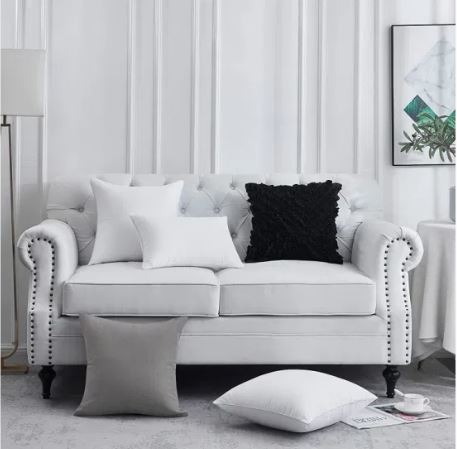
However, the filling does flatten out easily. Soft polyester has features such as smoothness, durability and bounciness.
Ply-a soft polyester is a type of filling that doesn’t bounce back and is limp.
Faux-down polyester gives the feel and look of down. It’s less expensive and great for people who are allergic to feathers.
Cluster-polyester cushion has tiny fiber balls, which makes it long-lasting and durable.
Here are some key points about polyester-filled sofa cushions:
1. Composition: Polyester fill is made from synthetic polyester fibers, which are derived from petroleum-based products. The fibers are typically spun into a soft, fluffy material that resembles cotton or down.
2. Durability: Polyester is known for its durability and resistance to wear and tear. Polyester-filled cushions can maintain their shape and loft well over time, even with regular use.
3. Hypoallergenic: Unlike natural fillings like down or feathers, polyester is naturally hypoallergenic, making it a good choice for people with allergies or sensitivities to dust mites.
4. Moisture-resistant: Polyester fibers are quick-drying and resistant to moisture, which can help prevent the growth of mold and mildew within the cushion.
5. Easy maintenance: Polyester-filled cushions are generally easy to care for and can be spot-cleaned or machine-washed, depending on the specific product and cover material.
6. Affordability: Compared to more expensive fillings like down or high-density foam, polyester is a cost-effective option for sofa cushions.
7. Comfort: Polyester-filled cushions can provide a soft, plush feel, but they may not offer the same level of support or conformity as foam or down alternatives.
8. Loft retention: Over time, polyester-filled cushions may lose some of their loft and require fluffing to maintain their shape and comfort.
9. Breathability: Polyester is less breathable than natural fibers, which may lead to heat retention and discomfort in warm environments.
10. Eco-friendliness: Traditional polyester is derived from non-renewable resources and is not biodegradable. However, some manufacturers now use recycled polyester or bio-based alternatives to reduce environmental impact.
Polyester-filled sofa cushions offer a budget-friendly, low-maintenance, and durable option for furniture upholstery. While they may not provide the same level of luxury or comfort as high-end alternatives, they remain a popular choice for many households due to their affordability and easy care.
9. Batting
Last is batting, which is a type of filling that provides insulation and cushioning. It comes in 2 thicknesses: 42.4 ounces and 25.5 ounces.
Typically, batting is made from polyester, wool or cotton. Cotton batting is susceptible to poking through the sofa cushions.
If your sofas are used more, then consider a polyester-cotton blend. Wool batting can be found in layered and needle form. The latter filling type is quite tough, which is why it used on springs. The former filling type degrades quickly and isn’t ideal for living room and lounge couches.
Here are some key points about batting-filled sofa cushions:
1. Composition: Batting is typically made from cotton, polyester, or a blend of both. It is a soft, fluffy material that is often used as a layer between the outer fabric and the main cushion filling.
2. Structure: Batting is usually sold in sheets or rolls and is composed of loosely arranged fibers that are held together through various methods, such as needle-punching, thermal bonding, or chemical bonding.
3. Cushion construction: In sofa cushions, batting is often wrapped around a core of foam, springs, or other filling materials to provide an additional layer of softness and loft.
4. Comfort: Batting helps to create a soft, plush feel in sofa cushions, adding to the overall comfort of the seating experience.
5. Insulation: The fluffy, air-trapping nature of batting can help to insulate the cushion, providing warmth in cooler environments.
6. Durability: The durability of batting-wrapped cushions depends on the quality of the batting and the core material. High-quality batting can help to protect the core and extend the life of the cushion.
Types of Cushion Shapes and Styles
The style of your sofa cushion will determine the general feel you are going for with your seating and décor. Modern and contemporary or regal and traditional; all this can be determined by your cushion style.
Boxed Cushion
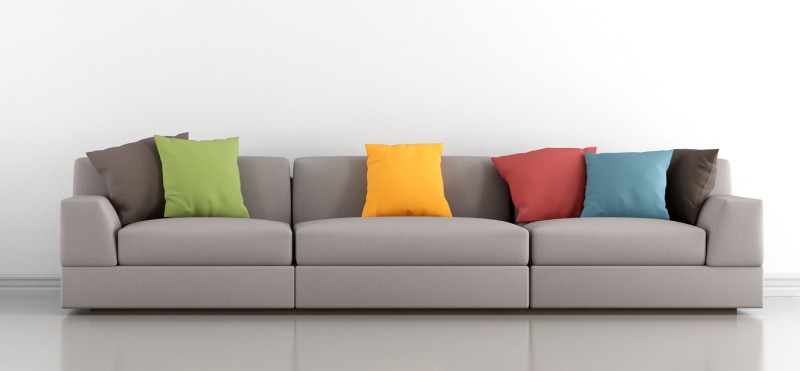
Boxed cushions are distinguished by their panels that they have running across the top and bottom, as well as on either side. These panels are often trimmed with piping to give a more serious and formal feel.
Bench Seat Cushion
This is a single cushion that does not divide in the middle. It runs down the entire length of the sofa and gives a very minimal and contemporary feel.
Straight Cushion
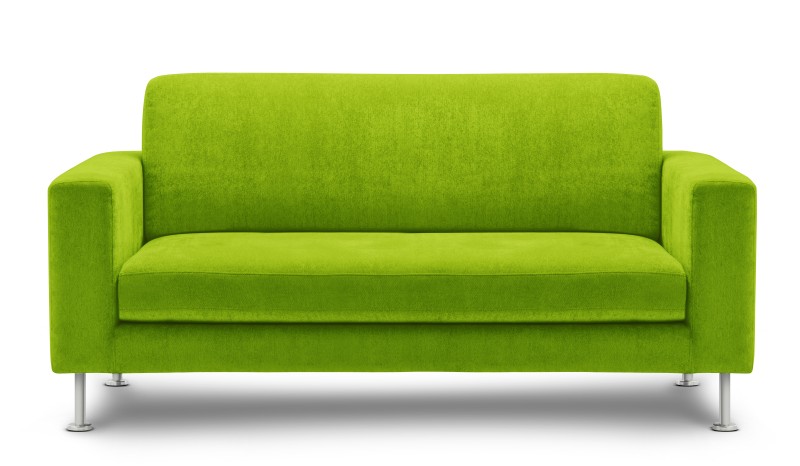
This is the simplest design as far as sofa cushions are concerned. It is a simple square or rectangle cushion that is loose and has no extra parts that wrap over the arms of the sofa.
Fixed Style
Fixed cushions are those that are stitched directly onto the sofa and cannot be removed. They require no plumbing as they are fixed in place.
Loose Style
These cushions, as the name suggests, are loose. They are not attached to the sofa; they can be removed for cleaning and other purposes.
What Is The Best Density For Sofa Cushions?
The density of a sofa cushion is not responsible for the firmness of the cushion but rather the quality of the cushion and how long it will last you.
Different density cushions can come in different firmness levels as well. Sofa cushions for residential use are available in densities ranging from 1.5 to 2.
From this, the most common density is 1.8; these sofa cushions are moderately priced and can last anywhere from 3 to 5 years.
Higher quality and more expensive sofas can even go up to 2.5 in density, but anything higher than that is usually found in commercially used sofas with heavy traffic.
What Is The Best Foam Type For Sofa Cushions?
There are a number of different foam fillings that are available in the market, and the one that is purchased is often based on personal preference and need.
Some foam is firmer like all-foam, some is very soft like spring down foam, some soften over time like molded foam and some is very luxurious like blend down foam. It all depends on what you are looking for.
However, our research has found some unique foam types that are considered great options such as:
-
High-Density Foam: Provides the most support and durability.
-
Memory Foam: Conforms to body shape for personalized comfort and pressure relief.
- Polyurethane Foam: Most popular and cost-effective choice.
What is The Best Filling for Sofa Back Cushions?
While some people prefer their sofa seat cushions to be soft while others prefer firm, there is no question that everyone needs support from their sofa back cushions.
For this reason, you want to go for a firmer material; the most common and popular material for sofa backs is foam. Within the category, firmer foams like molded foam are among the top choices for sofa back cushions.
Summary
This concludes are topic on how many types of cushion fillings are there. You can use a combination of these sofa cushion fillings in your bedroom, drawing room and lounge based on which room receives the most traffic.
Your target for the comfiest sofa cushion should be the lounge. After all, this is where you binge-watch Netflix. If you are looking for more informative articles like this, then visit Epic Home Ideas.
Related Posts
- How to Stop Sliding Doors from Rattling – Causes and Solutions
- Cheap Ways to Heat a Room – Efficient and Budget-Friendly Solutions
- 11 Ways to Get Rid of Cooking Smells in a Small Apartment or House
- 11 Stores and Sites Like IKEA For Affordable Furniture and Home Products
- All About Polypropylene – Olefin Fabric Sofa Material
- 12 Different Types of Wood for Outdoor Furniture with Pros/Cons

How can I find a very firm cushion that springs back to a board like appearance but can support
a persons knees, as in prayer. Made of rugs???? Must take high pressure of big people. It is specifically to accomodate knees. Heiser
very informative and detailed. The time it would take for me to decide at the store which cushion fabric and firmness to choose I would miss my lunch break.
Reading this article I believe gives me a leg up on which type of sofa I want, need.
Lots of great information, however a bit confusing for me because I thought I knew what I wanted as an upgrade to what I now have. I’m pretty confused now that I see so many options. Not sure how to proceed, but this was a very informative article. Thank you.
I have the same comments as these. I want a soft foam and whatever filling for comofort in the living room. So why can’t these comments on Foams be more straight forward and just tell us what type of foam for comfort. we will then decide which one we want. I had the same comments in DFS about foams and fillings in the end i was no further than when we started . He kept on persuading me to buy a not very comfortable foam.???? In the end we did not buy anything even though we had chosen the Sofa. SO THEY LOST THE SALE
I found this article really informative! I never realized how much of a difference the foam density can make in terms of comfort and durability. I always thought foam was just foam, but now I see how low-density foam is softer but doesn’t last as long, while high-density foam gives more support and gets better with use.