Textured walls have become increasingly popular in home design as they add depth and visual interest to a space. However, like any design element, there are pros and cons to consider before deciding to incorporate textured walls into your home.
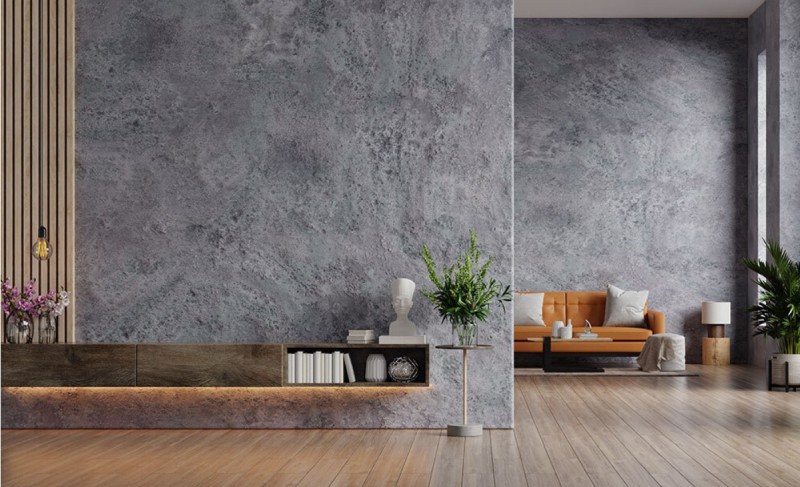
In this article, we will explore the advantages and disadvantages of textured walls, helping you make an informed decision for your interior spaces.
Pros of Textured Walls:
Concealment of Imperfections:
One significant advantage of textured walls is their ability to hide imperfections in the wall surface. Whether it’s uneven joints, cracks, or small nicks, the texturization helps to camouflage these flaws and create a more visually appealing surface.
This makes textured walls particularly beneficial in older homes with walls that may not be perfectly even.
Aesthetically Pleasing:
Textured walls can enhance the overall aesthetics of a room by adding visual interest and depth. They offer a unique and artistic look that can create a focal point in any space.
With various texture options available, such as popcorn, skip trowel, or knockdown, you have the freedom to choose a texture that complements your style and decor.
Durability and Longevity:
Textured walls are generally more durable than plain, smooth walls. The texturization adds a layer of protection to the wall surface, making it more resistant to wear and tear. This makes them suitable for high-traffic areas, where walls are more prone to scuffs and marks.
Easy Maintenance:
Textured walls are relatively easy to maintain. The texture helps to hide dirt, smudges, and fingerprints, making them less noticeable compared to smooth walls. Minor touch-ups can be done with ease, and textured walls generally require less frequent repainting.
Enhanced Acoustic Properties:
One advantage of textured walls is their ability to improve the acoustics within a room. The texture helps to diffuse sound waves, reducing echoes and minimizing noise reflections. This can be especially beneficial in rooms where sound quality is important, such as home theaters or music studios.
Added Warmth and Coziness:
Textured walls can create a warmer and cozier ambiance in a home. The dimension and tactile quality of the texture can evoke a sense of comfort and make the space feel more inviting. This can be particularly advantageous in rooms where a cozy atmosphere is desired, such as bedrooms or living rooms.
Cons of Textured Walls:
Limited Design Options:
While textured walls can add visual interest, they may limit your design options when it comes to certain decorating choices.
For example, applying wallpaper or intricate patterns can be challenging on textured surfaces. Additionally, changing the texture or removing it altogether can be a time-consuming and costly process.
Difficulty in Cleaning:
While textured walls are easier to maintain day to day, deep cleaning can be more challenging. Dust and debris may accumulate in the crevices of the texture, requiring more effort when cleaning.
It is important to consider the texture type and its cleanability before deciding on textured walls, especially in households with allergies or asthma.
Potential for Outdated Look:
Textured walls, just like any design trend, can go in and out of style. What may seem trendy today might become outdated in the future. It is essential to choose a texture that aligns with your long-term design vision to ensure your home remains timeless.
Limited Flexibility:
Once textured walls are installed, it can be difficult to change or remove them without significant effort and cost. This lack of flexibility may limit your options for future renovations or design changes. It’s important to consider your long-term plans for the space before committing to textured walls.
Difficulties in Applying Wall Coverings:
Textured walls can pose challenges when it comes to applying wallpaper or wall coverings. The uneven surface may not provide a smooth base for these applications, leading to potential issues with adhesion and a less polished final result. It’s important to consider this limitation if you have a preference for wall coverings in your interior design.
Limited Lighting Effects:
While textured walls can add visual interest to a space, they may also limit some lighting effects. Shadows and uneven surfaces created by the texture can affect the way lighting is distributed in a room.
This could potentially hinder the effectiveness of certain lighting techniques, such as accent lighting or creating dramatic light patterns on the walls.
In conclusion, textured walls can bring a unique and visually appealing element to your home. They have the ability to hide imperfections, add depth, and increase durability.
However, they may limit design options, require extra effort in cleaning, and lack flexibility for future changes.
Carefully consider the pros and cons discussed in this article to determine if textured walls are the right choice for your home.
Related Posts
- Best Sliding Door Types and Brands According to Reddit Users
- Sliding Patio Doors vs. French Doors: Choosing the Best Option for Your Home
- How to Protect Sliding Glass Doors from Burglars: Essential Security Tips
- How Long Do Sliding Glass Doors Last? Durability and Lifespan Explained
- Why Do Sliding Doors Get Stuck? Common Causes and Solutions
- Comparison of Knockdown Drywall Texture vs Orange Peel

Leave a Reply